
Grant Program
Research
Grantee Name
Reset Tech Australia
Grant Start Date
1 April 2022
Grant End Date
31 March 2023
Amount Funded
US$140,130
Country
Not Country-Specific
Region
Global
Research Question
- What does a digital service look like, from a young person’s point of view, when it is trustworthy, meets their expectations, and operates in their best interests?
- What might these expectations mean for tech developers? What must they consider when developing services? Are there examples where this is or is not happening already?
Why Is This Research Important?
This research project generates insights to allow tech developers to pivot their processes, comply with emerging regulations and help build a digital world that is more trustworthy for children. The project starts from a position of understanding how children and young people think trustworthy tech should function and then articulates principles and practices that tech developers could adopt to embrace this. Working from children’s insights, this research then articulates what the principles and priorities for digital design should be and how these map to child rights principles (of participation/access, protection, non-discrimination and ‘best interests). Finally, these principles are turned into a ‘road map’ for digital designers and developers in the digital world. This involves consultations and conversations with industry leaders and product developers and leads to the production of both evidence based principles, as well as practical guidance and case studies.
Methodology
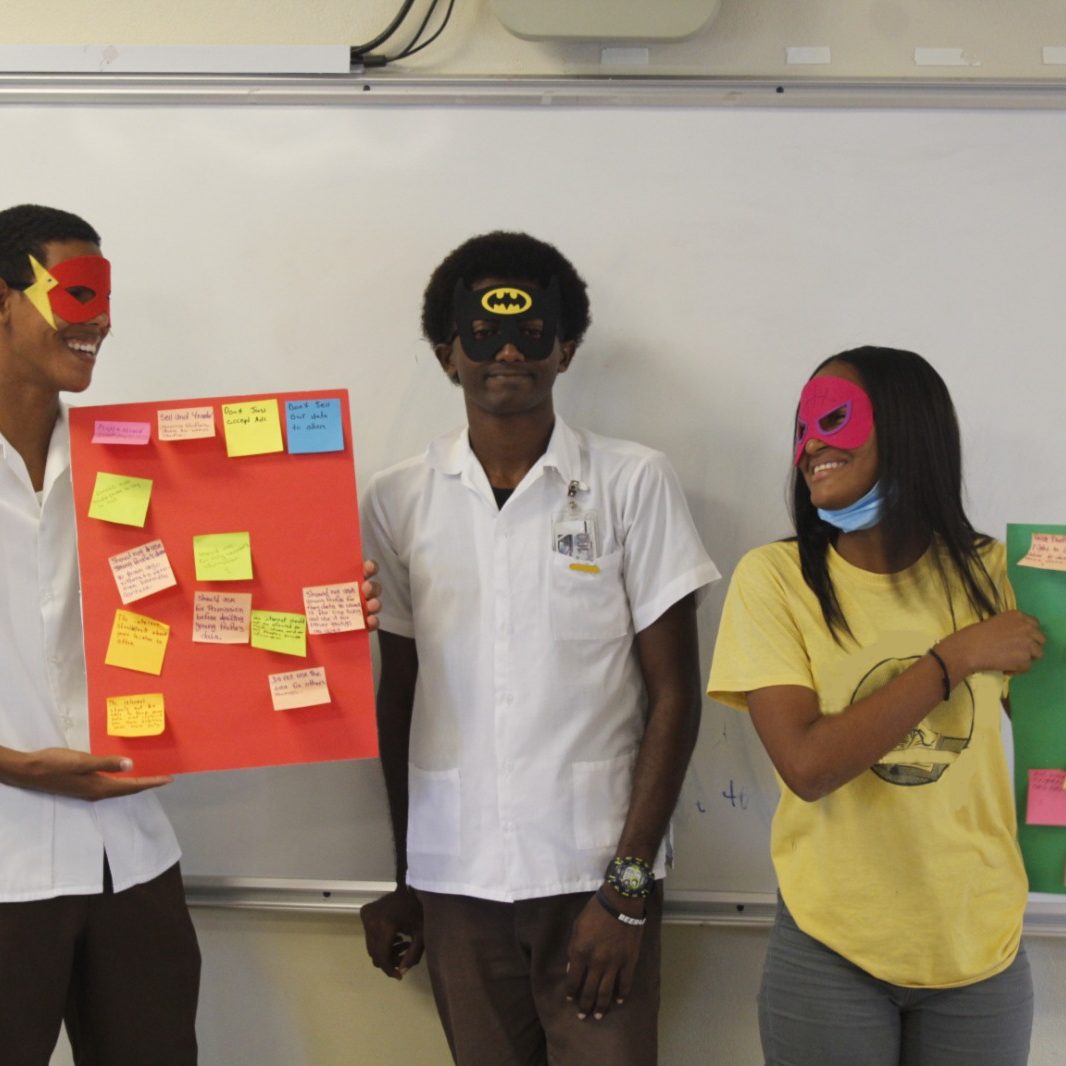
The research uses an interdisciplinary, participatory, multi-method qualitative approach, to apply a child rights lens to unpack and explore trustworthy tech. The methodology involves repeat-focus groups (4 sessions in person or zoom) with young people, aged 11-18 (60-90 min per session). The sessions involve traditional discussions around prompted questions, as well as more creative methods such as games, graphic cards, and drama activity. In between session 2 and 3 (where practically possible), some polling is done (Australia and Ghana) or detailed survey work is done (Antigua and Barbuda, where there are no polling companies) with young people. Secondly, the research involves telephone interviews with tech developers and researchers and a group meeting with young people and technologists (each session is recorded). Participation is voluntary and some young people may opt-out at each stage. All the data is analyzed with Dedoose software, which allows for multi author coding and the inclusion of images and non-textual data sources (data is thematically coded).
Media and Publications
- TrustTech4Kids
- “It Sets Boundaries Making Your Life Personal and More Comfortable”: Understanding Young People’s Privacy Needs and Concerns
- Report: Realising young people’s rights in the digital environment This report documents findings of mixed methods research undertaken with young people across Australia aged 13-18 between 2022 and 2023.
- Can the consent model improve the digital world, especially for young people? This briefing paper emerges from an expert roundtable discussion about the capacity of the consent model to improve the digital world.
- Social Grooming
- Mladi, zasebnost in zaupanje v Sloveniji This report documents findings of mixed methods research undertaken with young people in Slovenia
- The Digital Future of Antigua & Barbuda: Young people’s rights in the digital age This report documents findings of mixed methods research undertaken with young people in Antigua & Barbuda
- Young people, privacy and trust in Ghana This report documents findings of mixed methods research undertaken with young people in Ghana
- Online Privacy, Young People, and Datafication: Different Perceptions About Online Privacy Across Antigua & Barbuda, Australia, Ghana, and Slovenia This article explores young people’s perceptions across four countries and finds they have nuanced understandings about online privacy and clear, robust ideas about how to improve it.