

Five Questions with Dr. Chomora Mikeka, Greening the Internet Research Programme Grantee
Associate Professor Chomora Mikeka is the Director of Science, Technology and Innovation (DSTI) in the Ministry of Education of Malawi…
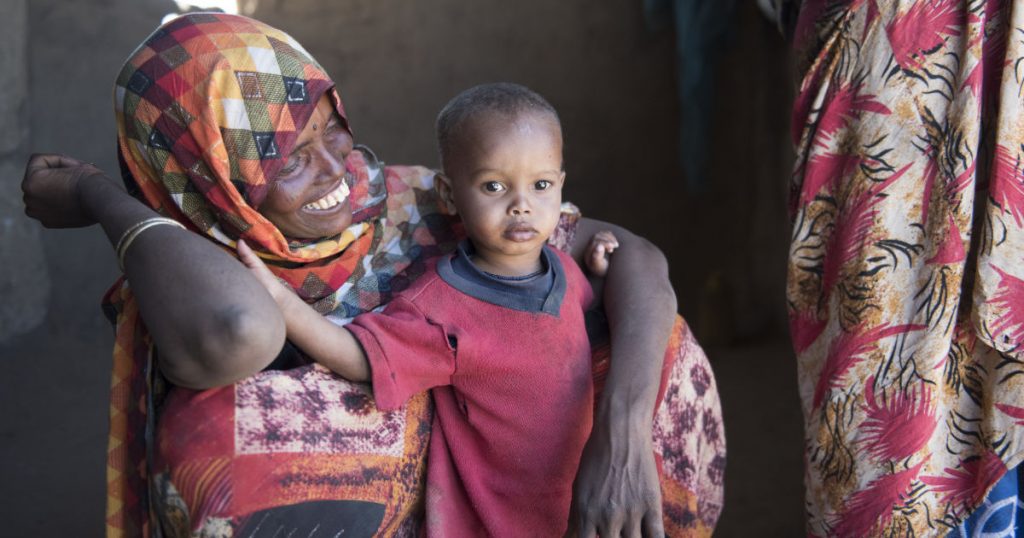
COVID-19 focus: Three Projects Helping Communities Deal with Pandemic-Fuelled Change
To help individuals and communities grapple with the impacts of COVID-19, the Internet Society Foundation recently awarded Beyond the Net Small grants and several projects focus on addressing challenges that have emerged in light of the pandemic: work, schooling and access to reliable health information.
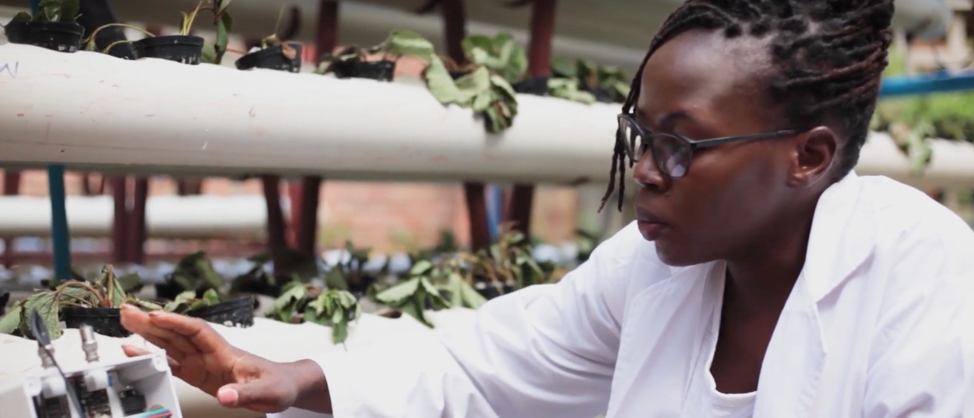
Tackling Zimbabwe’s Urban Food Insecurity Through the Internet of Things
In Zimbabwe’s Mbare community, students and the Internet Society Zimbabwe Chapter are piloting aquaponic urban farming powered by IoT. With support from a Beyond the Net Grant, the project combines fish tanks and vegetable beds monitored by sensors, Raspberry Pi computers, and solar panels. This innovative model empowers families to grow food sustainably, fight hunger, and build resilience in urban slums.
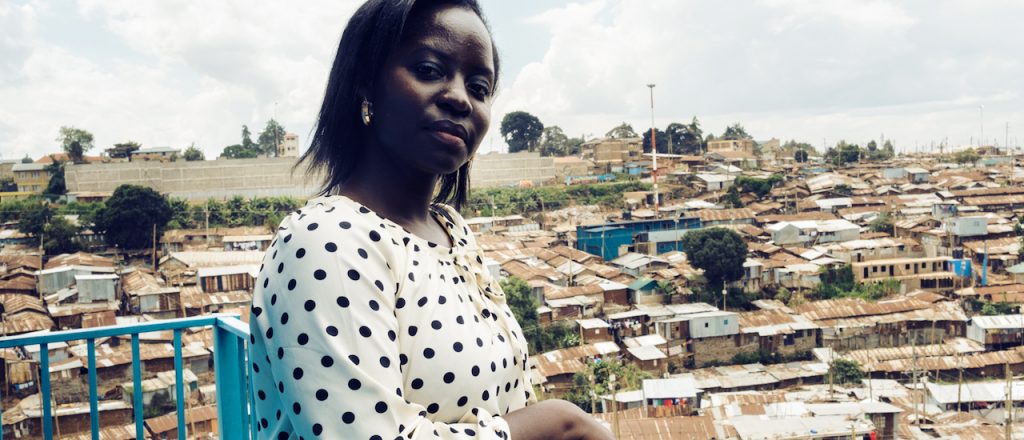
TunapandaNET: A Scalable Solution to Address Global Challenges
In one of the largest urban slums in Africa, people live in abject poverty. The nearly 200,000 residents of Kibera, located in Nairobi, Kenya, have an average income of a little over $1 a day, while many people lack access to basic amenities such as adequate medical care and clean piped water. In 2016 the Tunapanda Institute decided to address some of these issues.

Training Journalists on Internet Governance in Tanzania
Journalists are often at the frontline of emerging digital issues – whether they’re protecting a free press or the privacy of their sources – and they can have a powerful voice in shaping the Internet’s future.

In Kenya, Helping Kids Use the Internet Responsibly
A recent survey on how children use the Internet, included some surprises. “Safe Online, Safe On Land” addresses some of these issues.

The Zaria Community Network and Culture Hub
When providing reliable broadband networks in rural areas is not sustainable for commercial operators, the Community Network model can provide an individual-centered Internet, deployed and operated by citizens to meet their own communication needs.
- « Previous
- 1
- 2
- 3