

Access to Quality Education in Paraguay
Colegio Técnico Nacional (CTN), a secondary school located in Asunción, is one of the top schools in Paraguay offering the technical baccalaureate.
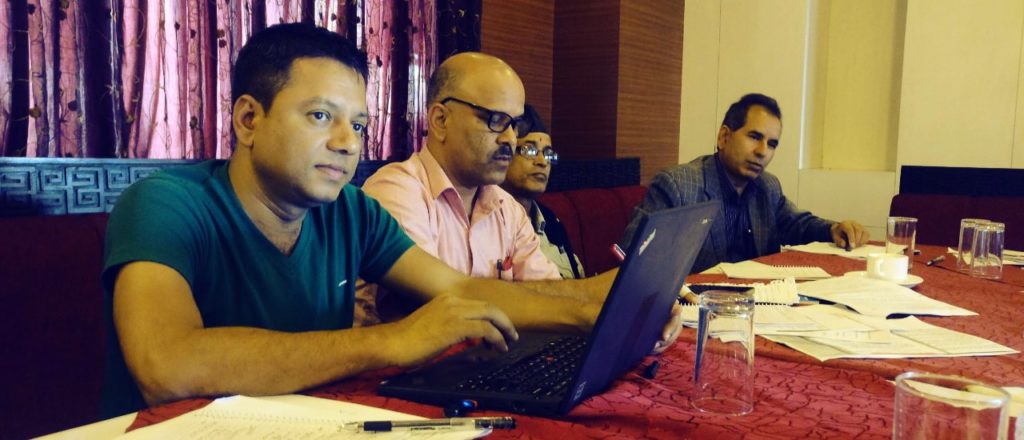
Contributing to a Better Policy Environment in Nepal
Recently, the Federal Parliament of Nepal introduced two pieces of legislation: the Individual Privacy bill, which deals with online privacy and data protection, and the Information Technology bill, which aims to replace the existing Electronic Transaction Act and has a broad scope.

Testing Drones for Post-Disaster Operations in the Philippines
Unmanned Aerial Vehicles (UAVs) – more commonly known as drones – can be a powerful tool to speed up the post-disaster assessment process.

The Zaria Community Network and Culture Hub
When providing reliable broadband networks in rural areas is not sustainable for commercial operators, the Community Network model can provide an individual-centered Internet, deployed and operated by citizens to meet their own communication needs.
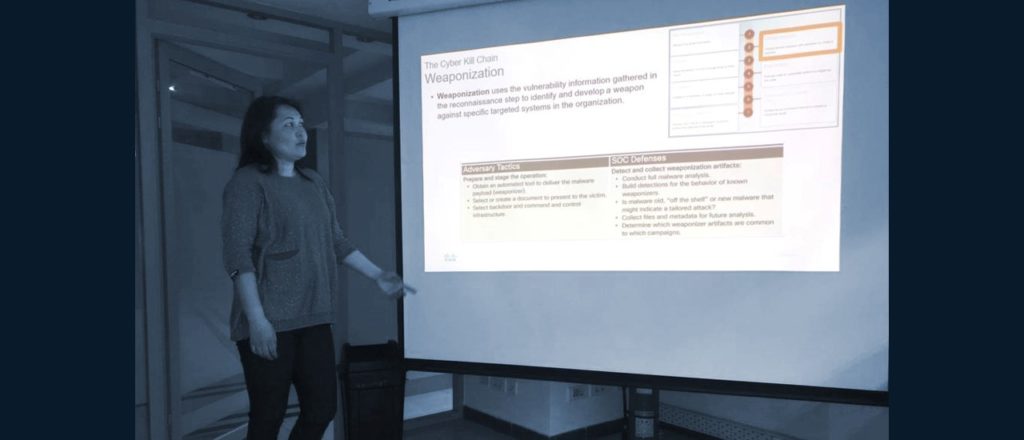
Kazakh Women in Cybersecurity
How can we increase the number of women working in cybersecurity? According to a 2013 report, women represented just 11% of the global cybersecurity workforce. That number may be rising, but women are still woefully underrepresented.
The Internet Society Kazakhstan Almaty Chapter has a solution.

Deploying the World’s Southernmost IXPs to Benefit 350,000 People
Improving the Internet’s technical conditions is an ambitious challenge. It’s an even greater challenge in one of the ten countries in the world with the greatest geographical scope. Internet Exchange Points (IXP) offer a solution. In Argentina, IXPs have been built since 2008, where they’ve covered the major cities. Now they’re extending their scope to reach remote locations.
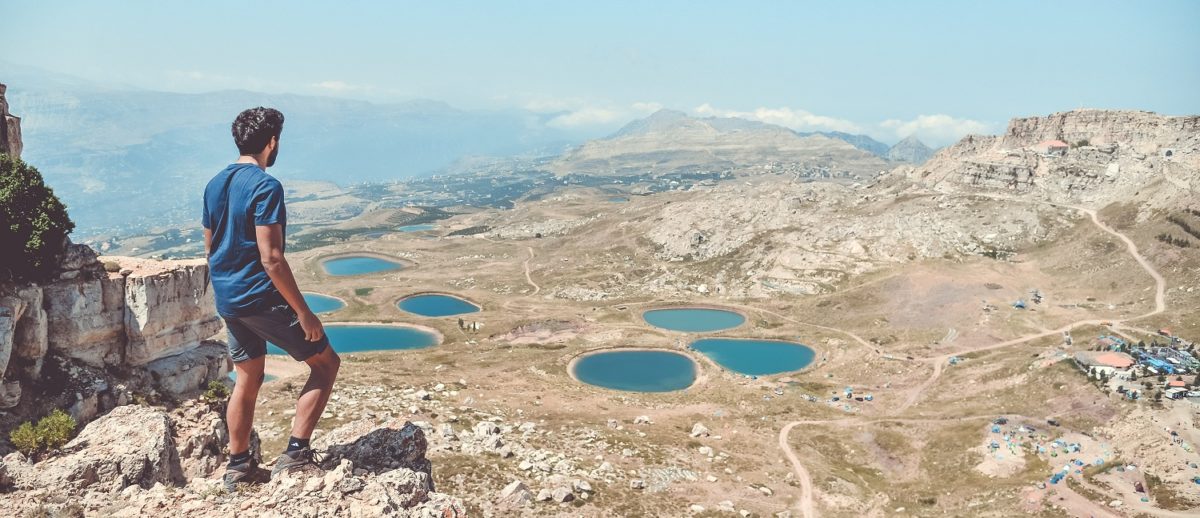
In Lebanon, Creating a Better Internet for Everyone
Today, we read about advancements in technology, including terraforming Mars – yet more than half of the world is still without a proper Internet connection.
It’s not just developing nations that lack access. Rural areas are affected, too.
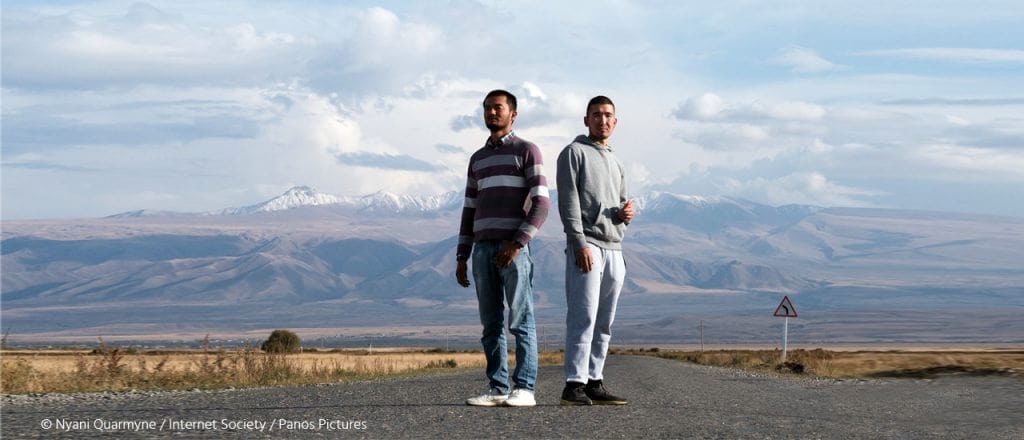
Digital Learning Project Offsets Teacher, Text Book Shortages in Kyrgyzstan
Kyrgyzstan’s education system faces shortages of teachers and textbooks. To address this, engineer Erjigit Imamov developed Bilim Bulagy, a $10 microcomputer providing offline access to Khan Academy and Wikipedia. With support from the Internet Society Foundation’s Beyond the Net Grant, the Kyrgyz Chapter partnered with the Ministry of Education to pilot the devices in 50 schools and libraries. The project strengthens learning opportunities, supports rural communities, and helps preserve Kyrgyz culture.
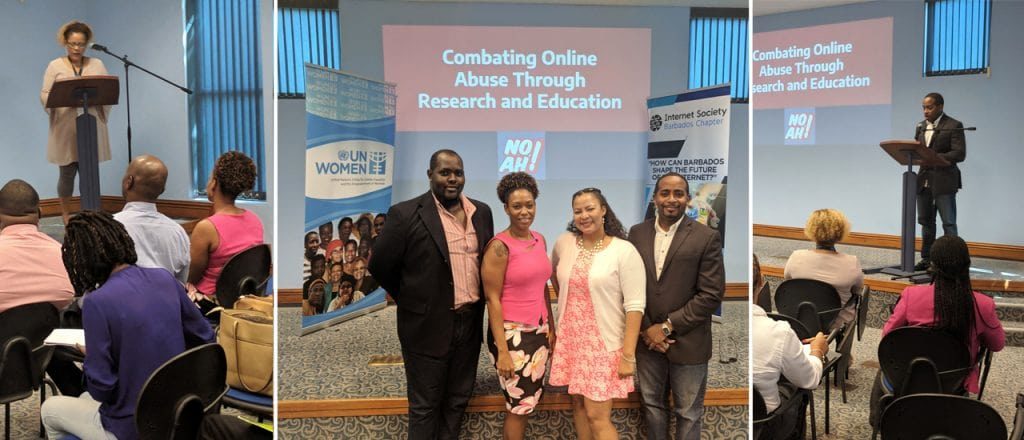
Education Campaign Curbs Digital Violence Against Barbadian Women and Girls
The Internet Society Barbados Chapter, with support from the Internet Society Foundation’s Beyond the Net Grant, developed an education campaign to address digital violence against women and girls. Through workshops, public outreach, and digital literacy training, the initiative empowered participants to recognize online abuse, protect themselves, and advocate for safer Internet practices. The campaign strengthened community resilience and promoted gender equality in the digital space.

Telemedicine Program Brings Medical Care to Remote Reaches of Nepal
The Internet Society Nepal Chapter, with support from the Internet Society Foundation’s Beyond the Net Grant, introduced a telemedicine program to deliver healthcare to remote Himalayan communities. Using Internet connectivity and digital platforms, local health workers can consult with doctors in urban centers, access medical records, and provide timely care. The initiative reduces travel burdens, improves health outcomes, and strengthens resilience in underserved areas.
- « Previous
- 1
- 2
- 3
- 4