
Connecting Care: The Digital Lifeline Powering Uganda’s Fight Against HIV
As we observe World AIDS Day under the theme “Overcoming Disruption, Transforming the AIDS Response,” we pause to recognize the isolated communities where the fight against HIV remains intensely challenging. In these areas, connectivity is more than access; it is a fundamental pillar of public health and equitable care. In Uganda’s Kalangala District, the commitment to ending HIV is taking a powerful and tangible form through stronger, more resilient Internet connectivity.
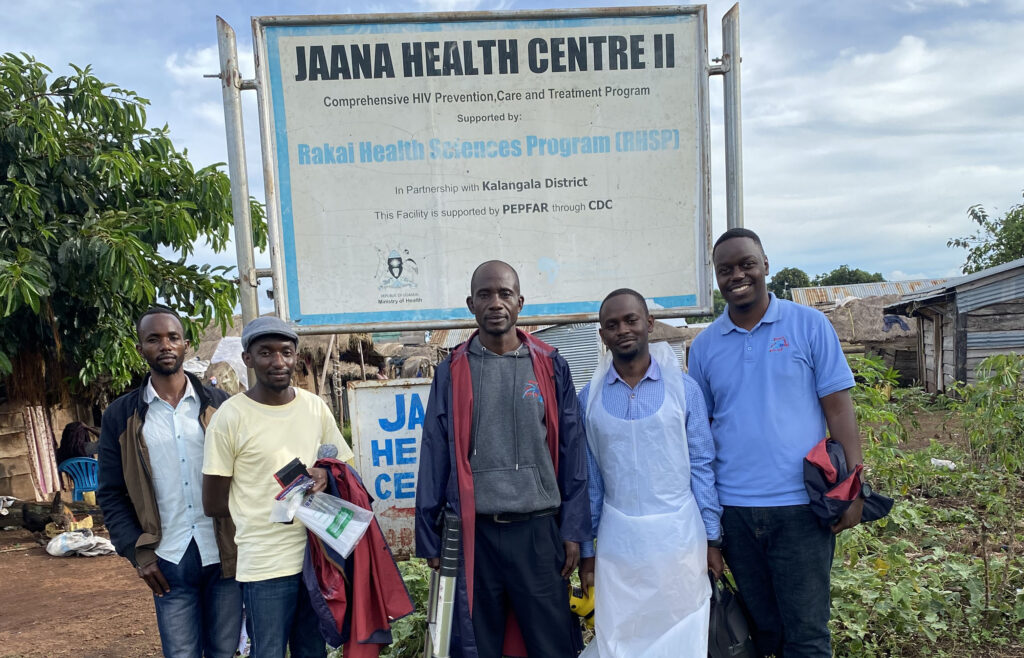
In a community where access to healthcare has long been limited by isolation, reliable connectivity is becoming a vital lifeline, ensuring that patients receive consistent care and that healthcare workers can share critical information in real-time. Kalangala District, a cluster of 84 islands scattered across Lake Victoria and home to about 67,000 people, faces one of Uganda’s toughest health realities: it carries the heaviest HIV burden in the country. It is estimated that2 out of every 10 people are living with HIV, according to the Uganda AIDS Commission (2020). Beyond the health challenge, Kalangala’s geography makes it particularly vulnerable to severe weather conditions, such as heavy rainfall, floods, and cyclonic winds, which frequently disrupt transportation and communication.
Supported by the Internet Society Foundation, the Research and Education Network for Uganda (RENU) is strengthening connectivity in such disaster-prone areas, helping communities withstand and recover from environmental and infrastructural shocks.
The islands’ remoteness compounds the challenge. Limited transport options, harsh weather, and minimal health infrastructure mean that even reaching a clinic can take hours by boat. Bugala Island, the largest in the district, has only one voluntary counseling and testing center. And while digital health systems have transformed HIV response efforts across mainland Uganda, these systems depend entirely on reliable Internet access, something Kalangala’s residents have lacked.
Bridging the Digital Divide
This critical need for resilient connectivity spurred RENU’s Kalangala Connect Project. RENU is a not-for-profit, member-based organization and Uganda’s National Research and Education Network, delivering Information and Communication Technology (ICT) solutions to education and research institutions. Beginning in 2022, when they recognized that digital exclusion was deepening health inequities on the islands, RENU connected 12 health facilities in Kalangala using basic wireless links. Even this modest start made a difference.
“The connection allowed for remote mentoring and real-time data updates,” explains Joseph Mutaasa, Rakai Health Sciences Program’s Regional ICT Supervisor.
“Clinics could finally synchronize records and access UgandaEMR and DHIS2 dashboards consistently.”
From Wireless to Fiber: Building for the Future
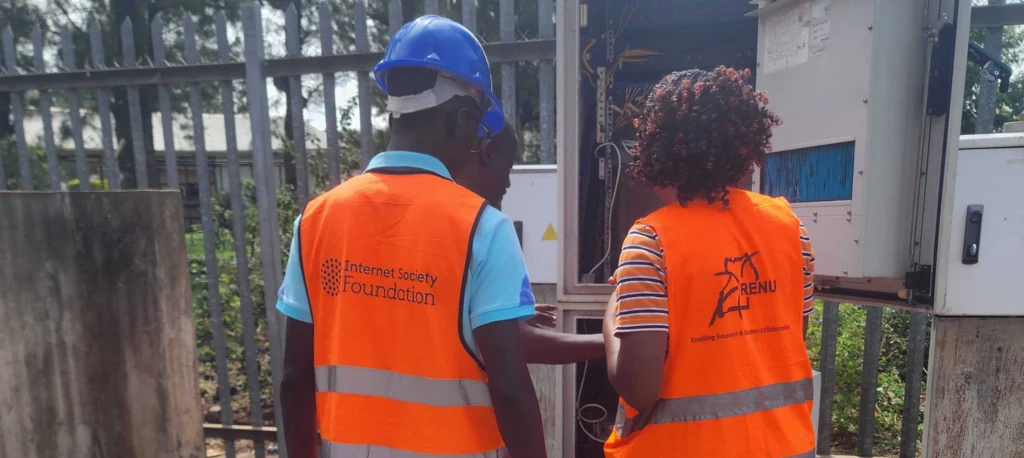
Encouraged by these results, RENU embarked on a far more ambitious endeavor: laying an 8-kilometer fiber optic cable beneath Lake Victoria. Completed in early 2025, phase one of the project connected the mainland at Bukakata landing site to Bugoma landing site on Bugala Island. This new infrastructure now provides a stable backbone for HIV care and monitoring systems for health centers on the island. Reliable Internet means that viral-load results reach clinicians without delay, antiretroviral refills are managed efficiently, and the Ministry of Health can track trends in real-time. It also enables continuous online training for healthcare workers and opens the door to future innovations, such as telemedicine and e-learning.
Expanding Impact and Strengthening Resilience
Building on this success, RENU has kicked off the second phase of the project to extend fiber inland and upgrade to a more stable wireless connection. This phase will initially benefit nine schools, a farm institute, and seven health centres. These improvements will strengthen data collection for disease surveillance, enhance diagnosis and treatment coordination, and improve overall healthcare delivery for thousands of residents.
A Connected Future
The story of Kalangala Connect is a reminder that resilience is not just about surviving challenges; it’s about building systems that help communities thrive despite them.
The high-speed fiber connectivity now carries vital health data, training, and hope to Uganda’s island communities. Through partnership and innovation, the fight against HIV in Kalangala is not only continuing, it’s becoming stronger and smarter.