
Sustainable Technical Communities Funding Program
Please note that the Sustainable Technical Communities Funding Program has been sunset and is no longer active. The Internet Society Foundation continues to support technical communities through other funding areas. Visit our Funding Areas page to explore current programs and opportunities.
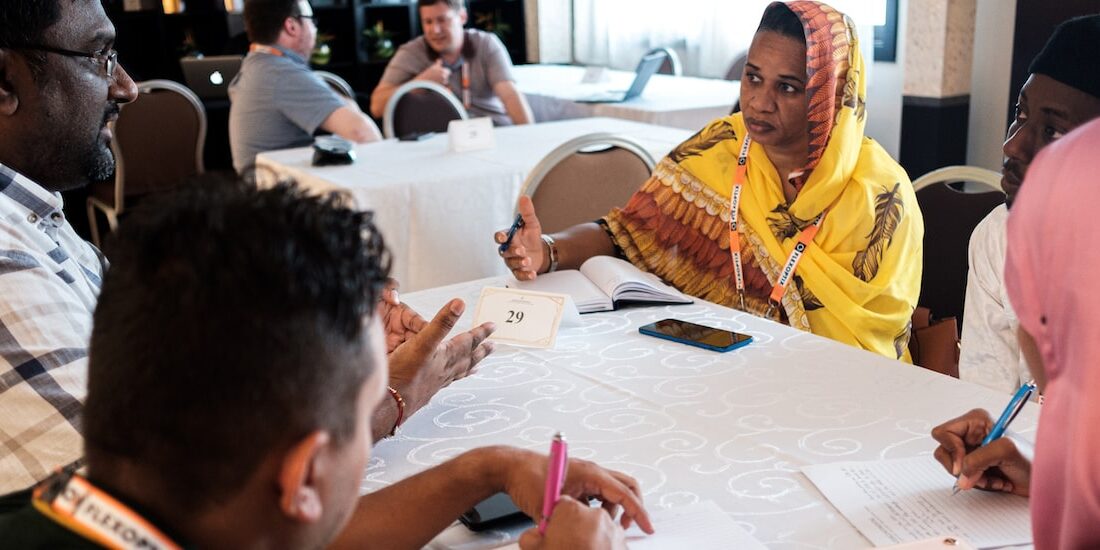
Local technical communities create and defend a stronger, more resilient Internet. The Sustainable Technical Communities funding program supports the organization of technical events, in order to enable strong and sustainable technical communities.
Program Objectives
- Contribute to the exchange of knowledge and best practices on technical topics related to the development and evolution of the Internet, including peering.
- Contribute to strengthening technical communities’ position to offer advice on the implementation of Internet-related policies and regulations, and to serve as a focal point on technical expertise for their identified ecosystem(s).
- Support technical communities to increase technical expertise in their ecosystem(s) through trainings, content, and best practices on governance and administrative operations.
- Strengthen the impact of the Internet Society Foundation’s mission through open and collaborative dialogue and follow-on actions from funded events.
Funding can cover costs associated with hosting the event (space rental, catering) and/or costs associated with encouraging diverse participation (publicity, outreach).
What Is a Technical Community?
A technical community is a group of people with working knowledge of the underlying technologies that make the Internet function. Technical communities gather at regular intervals with the intention to collaboratively build, promote, and defend an open, globally connected, trustworthy, and secure Internet by sharing knowledge and best practices related to these technologies. To achieve their goals, technical communities can carry out capacity building activities, leverage partnerships with relevant actors, offer advice on the implementation of Internet-related policies, and serve as focal points on technical expertise for their local or regional ecosystem. Some examples of technical communities include Network Operator Groups (NOGs), National Research and Education Networks (NRENs), country-code Top Level Domain Operators (ccTLDs), CSIRTs, among others.
Questions?
If you have any questions, contact us.
If you’d like to learn more about network operations and peering, we provide a group of online courses to anyone interested in strengthening their knowledge on these topics: Fundamentals of Designing and Deploying Computer Networks, Introduction to Network Operations, Advanced Network Operations 2.0, and IXP 2.0.
Read the 2024 Philanthropy Impact Report